How to Stop Drinking Without a Program (When You're Not Sure You Even Need To)

**By Colin | Prepared Sobriety**
---
Most of what's out there about stopping drinking assumes you've hit a wall. Lost something. Scared someone. Woken up somewhere you shouldn't have been.
That wasn't me. And if you're reading this, it probably isn't you either.
I was a social drinker. Happy hour on Fridays. Beers on Saturday. A brewery on Sunday with my wife. Occasionally a drink during the week if we went out. I never got fired. Never missed a meeting or embarrassed myself at a work event.
I also spent six years quietly thinking I needed to stop.
That gap, between functioning fine and knowing something was off, is exactly where most people get stuck. Because every program built for stopping drinking starts with a crisis. And if you don't have one, you don't feel like you qualify.
This post is for the people who don't qualify. And who are done waiting until they do.
Why Most Programs Don't Work for You
AA is built around the disease model and community surrender. It's saved lives. It's also built for a specific kind of drinker, one who has lost control in visible, undeniable ways.
Rehab is built for acute intervention. It costs thousands of dollars and requires you to leave your job and your life for weeks.
Dry January and "challenges" are built around willpower. The idea is that if you white-knuckle through 30 days, you'll reset your relationship with alcohol. For some people, this works short-term. For most high-functioning people, it ends at day 31 with a cocktail.
None of these were built for someone who drinks socially, functions at a high level, and has been privately wondering for years whether alcohol is quietly costing them more than they're admitting.
That's a different problem. It requires a different approach.
What Actually Works
Here's what I learned from six years of thinking about stopping before I actually did it.
The decision to retire from alcohol doesn't happen the moment you put down the last martini, IPA, or vodka soda. It happens long before that, in the quiet, private accumulation of moments where you notice the cost.
The Monday fog that never used to be there. The short fuse with your kids after a weekend of drinking. The weight that started stacking up in your 40s even though you're still working out. The realization that you're planning events around whether there will be drinks.
None of those moments are a crisis. Together, they're a pattern. And when you start paying attention to the pattern instead of waiting for a disaster, the decision becomes obvious before it becomes urgent.
That's what Prepared Sobriety is built on. Not crisis intervention. Mental preparation.
The Five Stages Crafted From My Experience
After retiring from alcohol in April 2025, after six years of thinking about it, I mapped out the stages I moved through. This isn't a program. It's a description of what's already likley happening.
Stage 1, Imagination. You're not drinking less. You're just thinking about it more. You picture what mornings could feel like. What you'd do with the mental space currently occupied by planning around alcohol. You're not ready to act. You're just starting to see a different version of possible.
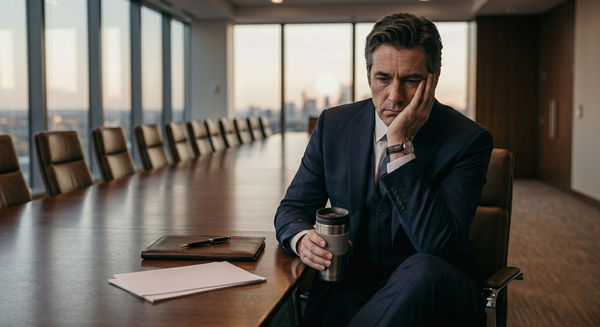
Stage 2, Identity Drift. The person you're becoming doesn't quite match the person who drinks. You start noticing inconsistencies. You're sharper on the days you don't drink. You're shorter with people you love after weekends. Someone close to you says something, a kid, a spouse, a friend, and you dismiss it but it sticks. Really sticks.
Stage 3, Compounding Friction. The costs become undeniable. Physical, relational, professional. They all hit at once. You're not in crisis, but the math stops working. The cost of staying the same is now higher than the cost of changing.
Stage 4, Decision Point. You find a date. A compelling event. Not a rock bottom. A forcing function. Surgery. A birthday. A goal you've told people about. The decision is already made in your mind. This is simply when you take action.
Stage 5, Retirement. Day one isn't the finish line. It's the start of the compounding going the other direction. Positive compounding. Every day gets clearer. Every week you unlock something you didn't know you'd lost. It’s remarkable.
Most people reading this are somewhere in Stages 1 through 3. They've been there for years. And they're looking for someone who gets it. Not a program, not a meeting, not a challenge. Just a framework that matches where they actually are.
What This Looks Like in Practice
I retired from alcohol on April 16, 2025. Not because of a crisis. Because I had surgery scheduled, had to stop drinking two weeks before, and somewhere in those two weeks I realized I'd been mentally ready for years. I started sharing that I might be done for good.
In the fourteen months since
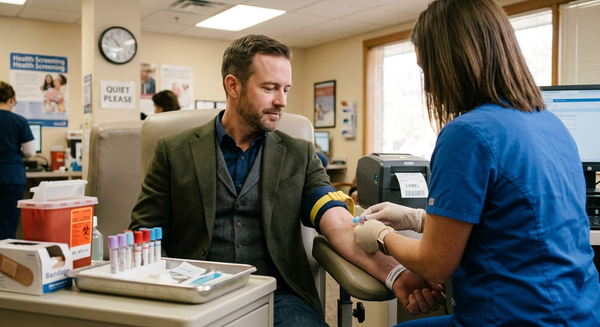
My cholesterol dropped 83 points. No medication. No diet change. Just no alcohol.
I came off two medications I'd been on for years. Blood pressure and acid reflux. Both gone by February 2026.
I lost 14 pounds in the first four months and kept going.
My daughter told me I listen now. My son started sharing his goals with me. My wife and I spend Friday evenings differently. Walks, coffee shops, conversations that actually go somewhere.
At work, my VP started calling nightly. Couch time. Bouncing executive ideas off of me. Business school finally being leveraged. Management noticed immediately. I didn't say a word about what I'd done.
None of that happened because I white-knuckled through a program. It happened because my mind was already there before the decision was made.
You Don't Need a Program. You Need a Framework.
If you've been thinking about this for months or years, you're not undecided. You're prepared.
The thinking isn't indecision. It's Stage 1. And it means you're further along than you realize.
What most people in that position need isn't a program that treats them like they're in crisis. It's a framework that meets them where they actually are and gives them a clear path to a dated, committed decision.
That's what the Prepared Sobriety Framework is built to do.
If you want to understand where you are in the five stages, DM me the word RETIRE. That's it. I'll respond directly.
No intake form. No sales call. Just a real conversation.
---
*Colin is the founder of Prepared Sobriety and retired from alcohol on April 16, 2025 after six years of intentional mental preparation. He works 1:1 with high-earning professionals who have been quietly thinking about this for years.*